
Artificial Intelligence (AI) is no longer a futuristic concept—it is now the backbone of modern technology. In 2026, AI is reshaping how businesses operate, how people work, and how technology evolves across every major industry. From automation and data analysis to creativity and decision-making, AI is redefining what is possible in the digital world.
AI as the Engine of Technological Innovation
In 2026, AI has moved beyond simple task automation. It now acts as an intelligent engine that powers innovation. Companies use AI to analyze massive amounts of data in real time, allowing faster and smarter decisions. Technologies such as predictive analytics, machine learning models, and generative AI are helping organizations anticipate trends instead of reacting to them.
Tech companies now design products with AI at the core. Smartphones, apps, and cloud platforms rely on AI to personalize user experiences, improve performance, and enhance security. This shift has made technology more adaptive, efficient, and user-focused than ever before.
Automation and the Transformation of Work
One of the most visible impacts of AI in 2026 is automation. AI-powered systems handle repetitive tasks in industries such as customer support, finance, logistics, and software development. This does not mean jobs are disappearing entirely; instead, work is evolving.
AI allows humans to focus on creative, strategic, and problem-solving roles while machines handle routine operations. New job roles such as AI trainers, prompt engineers, data analysts, and automation specialists are growing rapidly. Technology careers now require a mix of technical skills and human judgment.
AI in Software Development and Engineering
Software development has changed dramatically due to AI. Developers now use AI-assisted coding tools to write, debug, and optimize code faster. These tools reduce errors, speed up development cycles, and make programming more accessible to beginners.
Low-code and no-code platforms powered by AI allow non-technical users to build applications without deep programming knowledge. This democratization of technology means startups and small businesses can compete with larger companies by building solutions quickly and affordably.
The Role of AI in Cybersecurity
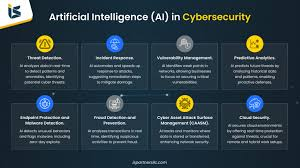
As technology advances, cyber threats also become more sophisticated. In 2026, AI plays a crucial role in cybersecurity by detecting threats before they cause damage. AI systems monitor networks continuously, identify unusual behavior, and respond to attacks in real time.
Instead of relying only on human intervention, organizations now use AI-driven security systems that learn from new threats and adapt automatically. This has made digital infrastructure more resilient in an increasingly connected world.
AI and the Growth of Smart Technologies
AI is the foundation of smart technologies such as Internet of Things (IoT) devices, smart homes, and smart cities. In 2026, AI connects sensors, devices, and systems to improve efficiency and sustainability. Traffic systems reduce congestion, energy systems optimize power usage, and smart devices learn user preferences automatically.
These technologies improve quality of life while reducing costs for governments, businesses, and individuals.
Ethical and Privacy Challenges
Despite its benefits, AI also raises ethical concerns. Data privacy, algorithm bias, and transparency remain major issues in 2026. Governments and tech companies are working together to create regulations that ensure AI is used responsibly.
Users are becoming more aware of how their data is collected and used. As a result, ethical AI development is now a key factor in building trust and long-term adoption.
The Future Outlook
Artificial Intelligence is not replacing technology—it is becoming technology itself. In 2026, AI continues to accelerate innovation, create new opportunities, and reshape digital experiences. Businesses that adopt AI early gain a competitive advantage, while individuals who learn AI-related skills remain relevant in the evolving tech landscape.
The future of technology is intelligent, adaptive, and deeply integrated with AI. As AI continues to advance, its role in shaping how we live, work, and interact with technology will only grow stronger.





Leave a Reply