
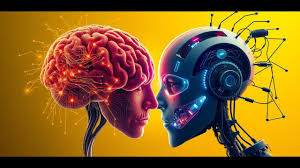
The debate between artificial intelligence and human intelligence has grown stronger as AI systems become more advanced. In 2026, AI is no longer limited to basic automation or data processing. It can write content, generate images, analyze complex problems, and even simulate human conversation. This rapid progress raises an important question: how does AI truly compare to human intelligence, and what does the future hold for both?
Understanding Artificial Intelligence
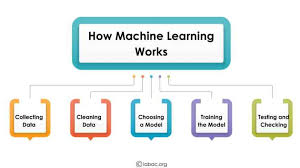
Artificial intelligence is designed to perform specific tasks by analyzing data, recognizing patterns, and making predictions. Modern AI systems learn from massive datasets and improve over time through machine learning. They excel at speed, accuracy, and consistency, especially in data-heavy tasks such as analytics, automation, and prediction.
However, AI intelligence is narrow. It operates within predefined boundaries and depends heavily on the data it is trained on. While AI can mimic creativity and reasoning, it does not possess consciousness, emotions, or true understanding.
The Strength of Human Intelligence
Human intelligence is fundamentally different. Humans can think abstractly, adapt to new situations without training data, and make decisions based on emotions, ethics, and intuition. Creativity, empathy, moral judgment, and critical thinking remain uniquely human strengths.
Humans can connect ideas across unrelated fields, understand context deeply, and question assumptions. These abilities allow people to innovate, lead, and solve complex social problems in ways AI cannot fully replicate.
Where AI Outperforms Humans
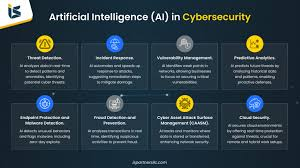
In many areas, AI already surpasses human capabilities. AI can process millions of data points in seconds, detect patterns invisible to the human eye, and operate continuously without fatigue. In fields such as finance, healthcare diagnostics, logistics, and cybersecurity, AI delivers faster and more accurate results than humans alone.
AI systems also reduce human error in repetitive tasks, making industries more efficient and cost-effective.
Where Humans Remain Irreplaceable
Despite its power, AI lacks emotional intelligence and ethical awareness. Humans are essential in roles that require compassion, leadership, creativity, and moral responsibility. Professions such as education, healthcare, law, and management rely heavily on human judgment and interpersonal skills.
Humans also define goals, values, and meaning—areas where AI has no intrinsic understanding. AI follows objectives; humans create them.
Collaboration, Not Competition
The future is not about AI replacing human intelligence but about collaboration. In 2026, the most successful systems combine AI efficiency with human insight. AI handles data analysis and automation, while humans focus on strategy, creativity, and decision-making.
This partnership leads to better outcomes in business, science, and society. Teams that leverage both human and artificial intelligence gain a powerful competitive advantage.
Ethical and Social Implications
As AI grows more capable, ethical concerns become more important. Questions about bias, transparency, accountability, and job displacement must be addressed carefully. Humans play a crucial role in guiding AI development responsibly and ensuring it aligns with societal values.
Education systems are also evolving to teach skills that complement AI rather than compete with it.
The Future Outlook
AI will continue to advance, but it will not replace human intelligence in its entirety. Instead, it will reshape how humans think, work, and create. The future belongs to those who understand how to work alongside AI—using it as a tool, not a replacement.
In the long term, the real advantage will not be choosing between AI and humans, but learning how both can grow stronger together.





Leave a Reply