 solatursted
Why Climate Matters for Solar Panel Lifespan
Solar panels are built to operate in different weather conditions, but extreme heat and dusty environments often raise concerns for potential users. Many people worry that high temperatures or constant dust will shorten the lifespan of their solar systems. In reality, solar panels are designed to withstand harsh climates, and with proper installation and care, they can perform reliably for decades.
Average Lifespan of Solar Panels
Most high-quality solar panels are designed to last between twenty and twenty-five years. This lifespan refers to performance efficiency rather than complete failure. Even after this period, panels usually continue producing electricity, although at a slightly reduced capacity. Manufacturers often provide long-term performance warranties that guarantee power output over many years.
How Hot Weather Affects Solar Panels
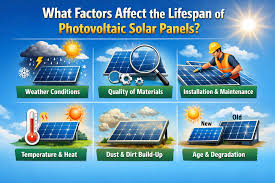
High temperatures do not destroy solar panels, but they can reduce efficiency. When panels become very hot, their voltage output drops slightly, leading to lower power production during peak heat hours. However, this does not mean the panels are being damaged. Proper airflow beneath the panels helps release excess heat and maintain stable performance in hot climates.
Solar Panel Performance in Dusty Environments
Dust, sand, and dirt buildup can reduce the amount of sunlight reaching the solar cells. In dusty areas, this can lead to noticeable drops in energy production if panels are not cleaned regularly. The panels themselves are not harmed by dust, but reduced sunlight exposure affects efficiency. Simple cleaning restores performance quickly.
Do Hot and Dusty Conditions Shorten Panel Lifespan?
Hot and dusty conditions do not significantly reduce the lifespan of quality solar panels when they are installed correctly. Panels are built with tempered glass and durable frames that protect internal components. Most performance loss in these environments is temporary and related to surface dirt rather than permanent damage.
Importance of Proper Installation in Harsh Climates
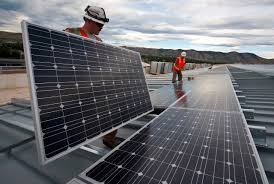
Correct installation plays a major role in how long solar panels last. Panels should be mounted with enough spacing to allow airflow and prevent excessive heat buildup. Strong mounting structures protect panels from wind and environmental stress, while correct tilt angles reduce dust accumulation.
Maintenance Practices That Extend Panel Life
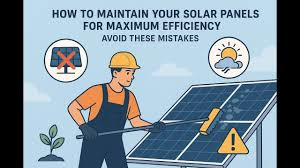
Regular cleaning and basic inspections help solar panels perform well in hot and dusty regions. Removing dust allows panels to absorb maximum sunlight, while occasional system checks ensure wiring and mounts remain secure. These simple practices can significantly improve long-term performance.
Real-World Performance in Hot Regions
Solar panels are widely used in deserts and tropical regions around the world. These locations prove that solar technology can thrive under intense heat and dusty conditions. In fact, high sunlight levels often compensate for efficiency losses caused by heat, resulting in strong overall energy production.
Is Solar Energy Still Worth It in Hot and Dusty Areas?
Solar energy remains a smart investment even in extreme climates. The abundance of sunlight in hot regions often leads to higher energy output over the year. When combined with proper maintenance, solar panels continue to deliver reliable electricity and long-term savings.
Final Thoughts on Solar Panel Longevity
Solar panels are durable, long-lasting, and well-suited for hot and dusty environments. With good installation and regular cleaning, they can operate efficiently for decades. Climate conditions may influence performance, but they do not prevent solar panels from being a reliable and cost-effective energy solution.


 solatursted