 solatursted
Why Misconceptions About Solar Energy Persist
Despite the rapid growth of solar energy worldwide, many people still hold misconceptions about its effectiveness, cost, and reliability. These myths can prevent homeowners and businesses from adopting solar solutions that could save them money and provide consistent electricity. Understanding the facts helps you make informed decisions and avoid common mistakes.
Myth 1: Solar Panels Don’t Work on Cloudy Days
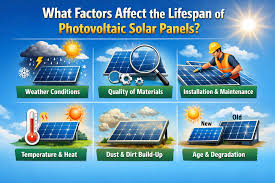
A common belief is that solar panels are useless when the sky is overcast. In reality, solar panels still produce electricity on cloudy days, although at a slightly reduced efficiency. Diffused sunlight is enough to generate power, and with properly sized systems and battery storage, solar panels can reliably supply energy even in less sunny conditions.
Myth 2: Solar Energy Is Too Expensive
Many people assume solar energy is only for the wealthy because of the upfront installation cost. While initial costs can be high, solar is a long-term investment. Over time, savings from reduced electricity bills and avoided fuel costs often pay for the system in a few years. Additionally, many governments and institutions offer incentives, subsidies, or financing options that make solar affordable for small businesses and households.
Myth 3: Solar Panels Require Constant Maintenance
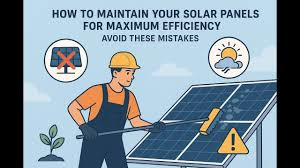
Another misconception is that solar panels are high-maintenance and require frequent servicing. In truth, solar panels are durable and built to withstand harsh weather. Basic maintenance, such as occasional cleaning and monitoring the inverter, is usually sufficient. Proper installation and high-quality components further minimize the need for ongoing attention.
Myth 4: Solar Energy Can’t Power Heavy Appliances
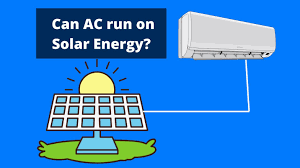
Some believe solar energy cannot run refrigerators, air conditioners, or other high-power appliances. With the right system size and proper battery storage, solar energy can supply electricity for almost all household or business needs. While careful planning is needed for high-load appliances, solar technology has advanced to handle large power demands efficiently.
Myth 5: Solar Panels Last Only a Few Years
There is a misconception that solar panels wear out quickly. Modern solar panels typically last 20 to 25 years, and often longer, with gradual efficiency loss over time. High-quality panels come with performance warranties, ensuring long-term reliability and sustained energy production.
Myth 6: Solar Energy Doesn’t Work in Hot or Dusty Climates
Some people assume that extreme heat or dusty environments will destroy solar panels. While heat can slightly reduce efficiency, it does not damage panels if installed correctly. Dust can temporarily reduce output, but regular cleaning restores performance. Solar panels are widely used in deserts and tropical regions, proving their durability in harsh climates.
Myth 7: Solar Energy Can’t Replace Grid Electricity
Many assume that solar energy can only supplement electricity from the grid rather than replace it. With properly sized systems, battery storage, and efficient energy usage, solar energy can provide a significant portion—or even all—of a household or business’s electricity needs, reducing dependence on the grid and lowering monthly bills.
Why Understanding Solar Myths Matters
Believing these myths can prevent people from taking advantage of solar energy’s benefits, including cost savings, energy independence, and environmental impact. By separating fact from fiction, homeowners and businesses can make informed decisions, choose the right system, and enjoy reliable, long-term solar power.
Final Thoughts
Solar energy is a proven, durable, and cost-effective solution, yet misconceptions continue to cloud its reputation. Understanding the truth about efficiency, cost, maintenance, and climate adaptability helps individuals invest in systems that provide reliable power and long-term savings. Dispelling these myths is the first step toward embracing solar as a practical and sustainable energy source.

 solatursted