 solatursted
The Challenge of High-Power Appliances
Many homeowners considering solar energy wonder whether it can power high-consumption appliances like air conditioners. Air conditioners require a significant amount of electricity, especially during hot seasons when they are used most. While solar panels can power an AC, careful system design, proper sizing, and energy management are essential to ensure reliable operation.
How Solar Systems Power Air Conditioners
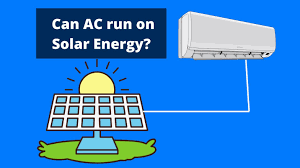
Solar panels generate electricity during the day, and this energy can directly run appliances like air conditioners. For homes without battery storage, the AC will only run when solar energy is available. In systems with batteries or hybrid setups, excess energy generated during peak sunlight hours can be stored and used later, ensuring the air conditioner continues running even after sunset.
Calculating the Solar System Size for AC
The key factor is electricity demand. Air conditioners can consume between 1,000 to 3,500 watts or more, depending on size and type. To run an AC efficiently on solar power, the system must be sized to cover both the AC’s peak load and the other household appliances running simultaneously. Solar users in sunny regions often find that panels combined with batteries can easily handle the additional load from one or two AC units.
The Role of Energy-Efficient Air Conditioners
Choosing an energy-efficient inverter AC or split AC significantly reduces the electricity demand, making solar operation more feasible. Modern AC units with high SEER (Seasonal Energy Efficiency Ratio) ratings consume less energy while providing the same cooling effect. Pairing an efficient AC with a properly sized solar system ensures maximum energy use and minimal dependence on the grid.
Using Batteries and Hybrid Systems for Continuous Cooling
For continuous operation during the night or cloudy days, battery storage is essential. Hybrid solar systems that integrate the grid, solar panels, and batteries allow homeowners to run air conditioners reliably. Batteries store excess energy produced during the day, which can be used when solar panels are not generating enough electricity, maintaining comfort without interruption.
Challenges to Consider
Running air conditioners on solar does require careful planning. Sudden spikes in energy use, inadequate solar panel capacity, or small battery banks can lead to insufficient power. Additionally, large AC units may require high-quality inverters with enough surge capacity to handle startup loads. Understanding these requirements prevents system overloads and ensures smooth operation.
Real-World Use of Solar for AC
In many sunny regions, homes and small businesses already run air conditioners on solar energy successfully. With proper panel placement, battery storage, and energy management, solar-powered cooling is not only feasible but also cost-effective. It reduces electricity bills while providing uninterrupted comfort during peak heat periods.
Final Thoughts
Solar power can run air conditioners, but it requires careful planning, efficient appliances, and possibly battery storage to handle high electricity demand. For homeowners looking to reduce electricity bills and stay cool reliably, solar-powered ACs are a practical and sustainable solution. With proper design, solar energy can handle even high-consumption appliances, making it a versatile choice for modern homes and businesses.

 solatursted