 solatursted
Machine learning is one of the most important technologies behind artificial intelligence, yet many people find it confusing. In simple terms, machine learning allows computers to learn from data and improve their performance without being explicitly programmed for every task. In 2026, machine learning powers search engines, recommendations, fraud detection, voice assistants, and many everyday technologies.
What Is Machine Learning?
Machine learning is a branch of artificial intelligence that focuses on teaching computers how to recognize patterns and make decisions using data. Instead of following fixed rules, machine learning systems analyze examples, learn from them, and then make predictions or decisions when they encounter new information.
The more data a machine learning model processes, the better it becomes at its task.
How Machine Learning Learns
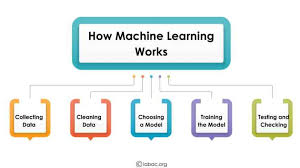
Machine learning works through a simple process: data is collected, patterns are identified, and predictions are made. First, large amounts of data are fed into a model. The model looks for relationships and trends within that data. Over time, it adjusts itself to reduce errors and improve accuracy.
This learning process happens repeatedly until the model reaches an acceptable level of performance.
Types of Machine Learning
There are three main types of machine learning. Supervised learning uses labeled data, where the correct answers are already known. Unsupervised learning works with unlabeled data and focuses on finding hidden patterns or groupings. Reinforcement learning teaches machines through trial and error, using rewards and penalties to guide behavior.
Each type is used for different real-world applications.
Real-Life Examples of Machine Learning
Machine learning is everywhere. When you receive movie or music recommendations, machine learning analyzes your past behavior to suggest content you might like. Email spam filters learn which messages are unwanted. Banks use machine learning to detect suspicious transactions and prevent fraud.
Even navigation apps use machine learning to predict traffic and suggest faster routes.
Why Machine Learning Is So Powerful
Machine learning excels at handling large amounts of data that humans cannot process quickly. It can detect patterns that are too complex or subtle for manual analysis. This ability makes it valuable in industries such as healthcare, finance, marketing, and technology.
As computing power increases, machine learning models become faster and more accurate.
Limitations of Machine Learning
Despite its strengths, machine learning has limitations. It depends heavily on the quality of data it receives. Poor or biased data leads to poor results. Machine learning models also lack common sense and cannot understand context the way humans do.
This is why human oversight remains essential.
The Future of Machine Learning
In the future, machine learning will become more efficient, accessible, and integrated into everyday tools. Businesses will rely on it to automate decisions, personalize experiences, and predict outcomes more accurately.
As machine learning continues to evolve, understanding its basics will become a valuable skill for anyone interested in technology.
Final Thoughts
Machine learning may sound complex, but at its core, it is about learning from data to make better decisions. By simplifying how it works, it becomes clear why machine learning is such a powerful force behind modern technology and why it will continue to shape the digital world in the years ahead.

 solatursted