 solatursted
As digital systems become more complex and connected, cybersecurity has become one of the most critical challenges of the modern tech world. In 2026, artificial intelligence plays a dual role in cybersecurity—it acts as both a powerful defense tool and a potential threat. Understanding how AI impacts cybersecurity is essential for businesses, governments, and individuals.
How AI Is Strengthening Cybersecurity
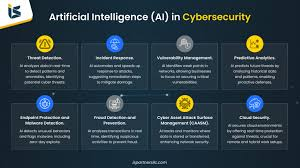
AI has significantly improved how organizations detect and prevent cyber threats. Traditional security systems rely on predefined rules, which often fail against new and evolving attacks. AI-powered cybersecurity systems, on the other hand, analyze massive amounts of data in real time and learn from patterns of behavior.
These systems can identify unusual network activity, detect malware early, and respond to threats automatically. By monitoring systems continuously, AI reduces response time and limits damage from cyberattacks.
Predictive Threat Detection
One of AI’s biggest advantages in cybersecurity is prediction. Machine learning models analyze historical attack data to forecast future threats. In 2026, AI systems can identify vulnerabilities before hackers exploit them, allowing organizations to fix security gaps proactively.
This predictive capability has shifted cybersecurity from a reactive approach to a preventive one.
Automated Incident Response
AI enables automated responses to cyber incidents. When a threat is detected, AI systems can isolate affected devices, block suspicious traffic, and alert security teams instantly. This automation is especially valuable for organizations that lack large cybersecurity teams.
By reducing reliance on manual intervention, AI minimizes human error and improves overall security efficiency.
AI as a Tool for Cybercriminals
While AI strengthens defenses, it also empowers attackers. Cybercriminals use AI to create more sophisticated phishing scams, generate convincing fake messages, and automate hacking attempts. AI-driven malware can adapt its behavior to avoid detection, making attacks harder to stop.
Deepfake technology powered by AI is also being used for fraud, identity theft, and social engineering attacks.
The Arms Race in Cybersecurity
The use of AI by both defenders and attackers has created an ongoing arms race. As security systems become smarter, attackers develop more advanced AI-based techniques. This constant evolution requires organizations to continuously update and train their AI security models.
Staying ahead in this race depends on innovation, skilled professionals, and responsible AI development.
Human Oversight and Ethical Considerations
Despite AI’s capabilities, human oversight remains essential. AI systems can make mistakes, misinterpret data, or reflect biases from training datasets. Cybersecurity professionals are needed to review AI decisions, set policies, and handle complex incidents.
Ethical concerns such as privacy, data misuse, and transparency also play a major role in AI-driven security systems.
The Future of AI in Cybersecurity
In the future, AI will become deeply integrated into cybersecurity infrastructure. Organizations will rely on AI to manage growing attack surfaces created by cloud computing, IoT devices, and remote work environments.
However, AI alone is not a complete solution. The most effective cybersecurity strategies combine AI technology with human expertise, strong policies, and user awareness.
Final Thoughts
So, is AI a threat or a protection in cybersecurity? The answer is both. AI is a powerful defensive tool that enhances detection, response, and prevention. At the same time, it introduces new risks when used by malicious actors.
In 2026 and beyond, the key to cybersecurity lies in using AI responsibly—leveraging its strengths while managing its risks. Organizations that strike this balance will be best prepared for the evolving digital threat landscape.


 solatursted