 solatursted
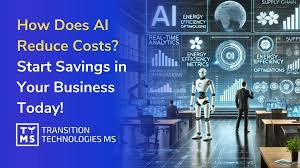
In 2026, startups face intense competition, limited funding, and high customer expectations. To survive and grow, many startups are turning to artificial intelligence as a strategic advantage. AI is no longer reserved for large tech companies; it has become accessible, affordable, and essential for startups looking to reduce costs and scale efficiently.
Automating Repetitive Operations
One of the biggest ways startups cut costs with AI is through automation. Tasks such as customer support, data entry, invoicing, and appointment scheduling are now handled by AI-powered systems. Chatbots and virtual assistants respond to customer inquiries 24/7, reducing the need for large support teams.
This automation allows startups to operate lean teams while maintaining high service quality.
Smarter Hiring and Talent Management
Hiring the wrong employees is expensive. Startups use AI tools to screen resumes, analyze candidate skills, and predict job performance. These systems reduce hiring time and improve decision-making by focusing on data rather than guesswork.
AI is also used for employee performance tracking and skill development, helping startups maximize productivity with smaller teams.
AI-Driven Marketing and Customer Acquisition
Marketing is often one of the largest expenses for startups. AI-powered marketing tools analyze user behavior, personalize campaigns, and optimize ad spending. Startups use AI to target the right audience with the right message at the right time, reducing wasted ad budgets.
Content creation, email marketing, and social media scheduling are also automated, allowing startups to compete with larger brands at a lower cost.
Faster Product Development
AI accelerates product development by analyzing user feedback, predicting feature demand, and identifying bugs early. Startups use AI-driven analytics to understand how users interact with their products and what improvements matter most.
In software startups, AI-assisted coding tools speed up development cycles, reduce errors, and lower engineering costs.
Data-Driven Decision Making
Startups often fail due to poor decisions made with limited data. AI helps founders make informed choices by analyzing market trends, customer behavior, and financial performance in real time. Predictive analytics allow startups to anticipate challenges and opportunities before they happen.
This data-driven approach reduces risk and improves long-term scalability.
Optimizing Operations and Supply Chains
For startups in e-commerce, logistics, and manufacturing, AI optimizes inventory management, demand forecasting, and delivery routes. These improvements reduce operational waste, minimize delays, and lower overhead costs.
AI systems adjust automatically to changes in demand, helping startups scale without increasing operational complexity.
Improving Customer Retention
Acquiring new customers is expensive, but retaining existing ones is more cost-effective. AI helps startups analyze customer behavior to identify churn risks and personalize experiences. Recommendation systems, personalized offers, and smart notifications improve customer satisfaction and loyalty.
The Competitive Advantage of AI
Startups that adopt AI early gain a significant competitive edge. They operate faster, spend less, and adapt quickly to market changes. AI allows small teams to achieve results that once required large organizations.
Final Thoughts
In 2026, AI is not just a technology trend—it is a growth strategy. Startups that use AI to cut costs and scale smarter are better positioned to survive and thrive. By automating processes, improving decision-making, and enhancing customer experiences, AI empowers startups to grow efficiently in an increasingly competitive business environment.


 solatursted